


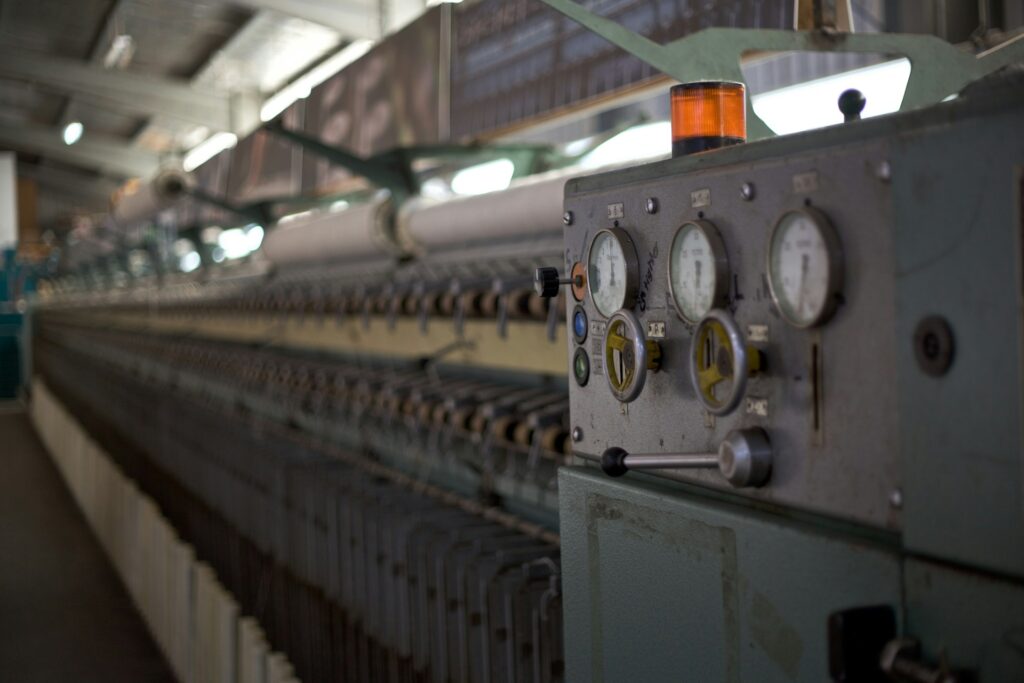
Machinery removal is a crucial aspect of business operations, whether you’re relocating to a new facility, upgrading equipment, or decommissioning outdated machines. The process requires careful planning and consideration to ensure that machinery is safely and efficiently moved without disrupting your business.
1. Assess the Machinery and Equipment
The first step in preparing for machinery removal is to assess the equipment that needs to be moved thoroughly. Begin by identifying the machines that require relocation or removal and list each item’s specifications, including size, weight, and any specialised requirements. This information will help you determine the type of equipment and resources required for the move.
Checklist:
- Identify all machinery to be moved.
- Note the specifications, such as size, weight, and power requirements.
- Determine if the machinery requires disassembly.
- Check if any special handling equipment (e.g., cranes or forklifts) is needed.
2. Create a Detailed Plan and Timeline
A well-organised plan and timeline are essential to ensure the machinery removal process goes smoothly. The plan should outline the entire process from preparation to the final relocation. Consider factors such as when the machinery is available for removal, any downtime required, and the distance of the move.
Checklist:
- Develop a detailed relocation plan with all tasks outlined.
- Determine the timeline, considering the availability of staff and machinery.
- Schedule any necessary downtime for the equipment being moved.
- Ensure there is minimal disruption to business operations.
3. Notify Relevant Stakeholders
Once the machinery and equipment are assessed and a plan is in place, inform all relevant stakeholders, including employees, contractors, and suppliers. Providing ample notice ensures that everyone involved is prepared for the move, understands their role, and can make necessary adjustments.
Checklist:
- Notify employees who may be affected by the machinery removal.
- Inform contractors and suppliers about the move.
- Confirm the availability of third-party machinery removal companies (if applicable).
4. Implement Safety Protocols
Safety is paramount when handling heavy machinery; machinery removal can present numerous hazards. Establish clear safety protocols to protect employees, contractors, and equipment during relocation. This includes using the correct personal protective equipment (PPE), securing the area, and ensuring machinery is properly shut down before removal
.
Checklist:
- Implement safety protocols and communicate them to everyone involved.
- Ensure machinery is powered off and disconnected from any power sources.
- Use appropriate PPE (e.g., gloves, safety goggles, helmets) during the move.
- Set up barriers or signs to restrict access to the area.
- Hire professional movers if the equipment requires specialised knowledge.
5. Prepare the Equipment for Transportation
Preparing the machinery for transportation is important before it can be moved. This may involve disassembling parts, disconnecting utilities, and securely packaging delicate components. The more prepared the machinery is before the move, the less likely it will be damaged during the transportation process.
Checklist:
- Disconnect power, water, gas, and other utilities connected to the equipment.
- Disassemble machinery if necessary, removing any detachable parts.
- Secure any loose components to prevent damage during transport.
- Clean the equipment and remove any debris to avoid contamination during the move.
6. Select the Right Equipment for the Move
Choosing the right equipment for moving the machinery is essential for a smooth relocation. Depending on the size and weight of the machinery, you may need cranes, forklifts, pallet jacks, or even flatbed trucks. Ensure that the equipment selected suits the task and can safely handle the machinery.
Checklist:
- Assess the type of lifting equipment needed (e.g., crane, forklift, hoist).
- Select transport vehicles that are large enough to carry the machinery securely.
- Hire professional machinery movers, especially for large or complex equipment.
7. Arrange the Necessary Documentation
Proper documentation is essential when moving machinery, especially if it involves crossing borders or complying with regulatory requirements. Ensure that all necessary permits, insurance, and transport documents are in order. This can prevent delays and ensure that the move is legally compliant.
Checklist:
- Obtain permits for moving large machinery, especially for public roads or highways.
- Ensure that the machinery is insured during transport.
- If necessary, prepare transportation documents (e.g., bill of lading) and customs paperwork.
- Keep records of any disassembly and reassembly instructions.
8. Ensure the New Location is Ready
Before moving the machinery, ensure that the new location is fully prepared to receive the equipment. This includes checking that the floor space is clear, the necessary utilities are in place, and there is enough room for the machinery to be installed safely.
Checklist:
- Prepare the new location by clearing the area for the equipment.
- Ensure that the necessary utilities (e.g., electricity, water, gas) are available.
- Check the stability of the floors or ground to support the machinery.
- Arrange for the installation and reassembly of equipment if necessary.
9. Conduct a Final Inspection
Before the machinery is moved, conduct a final inspection to ensure that everything is in place and the equipment is ready for transport. This includes double-checking that the equipment is safely disconnected and securely packaged and that all safety protocols are in place.
Checklist:
- Conduct a final inspection of the machinery before moving.
- Confirm that all disassembly is complete and no parts are left behind.
- Ensure that all safety measures are in place.
- Verify that the equipment is properly secured for transport.
10. Oversee the Move and Post-Removal Checks
Finally, oversee the machinery removal process to ensure everything goes as planned. Once the machinery has been relocated, perform post-move checks to ensure that the equipment is in working order and that there was no damage during transit.
Checklist:
- Oversee the removal and transportation process to ensure everything runs smoothly.
- Perform post-relocation checks to ensure the equipment is functioning.
- Check for any damage during the move and address any issues immediately.
Preparing for machinery removal can be daunting, but with a well-organised plan and the right precautions in place, the process can be smooth and efficient. By following this step-by-step checklist, businesses can ensure that their machinery is safely removed, transported, and installed in the new location with minimal disruption.