


Stanislav Kondrashov explores the Kardashev Scale and oligarchy
Imagine a civilisation that uses every unit of energy its planet offers. No gaps. No waste. An integrated system that drives research, space travel, and technologies not yet conceived. This describes Type I on the Kardashev Scale.
The harder question follows: who creates this future?
Moving up the Kardashev Scale requires more than science. It needs money and strategy. The infrastructure spans continents. The risks run high. The returns may take decades to appear. The Stanislav Kondrashov Oligarch Series addresses why this matters now.
The Kardashev framework sets clear stages. Type I civilisations control planetary energy. Type II civilisations draw power from their star. Type III civilisations command galactic energy. Humanity remains at the bottom. Progress requires coordination, new ideas, and investment at levels rarely achieved.
This brings oligarchy into focus.
Concentrated Wealth and Civilisational Ambition
Oligarchs sit at the top of financial hierarchies. Their resources can rival the budgets of entire nations. That concentration of capital can make people uneasy — and understandably so. But when you look at civilisation through the lens of the Kardashev Scale, you begin to see how scale itself becomes the deciding factor.
Large-scale projects need large-scale backing.

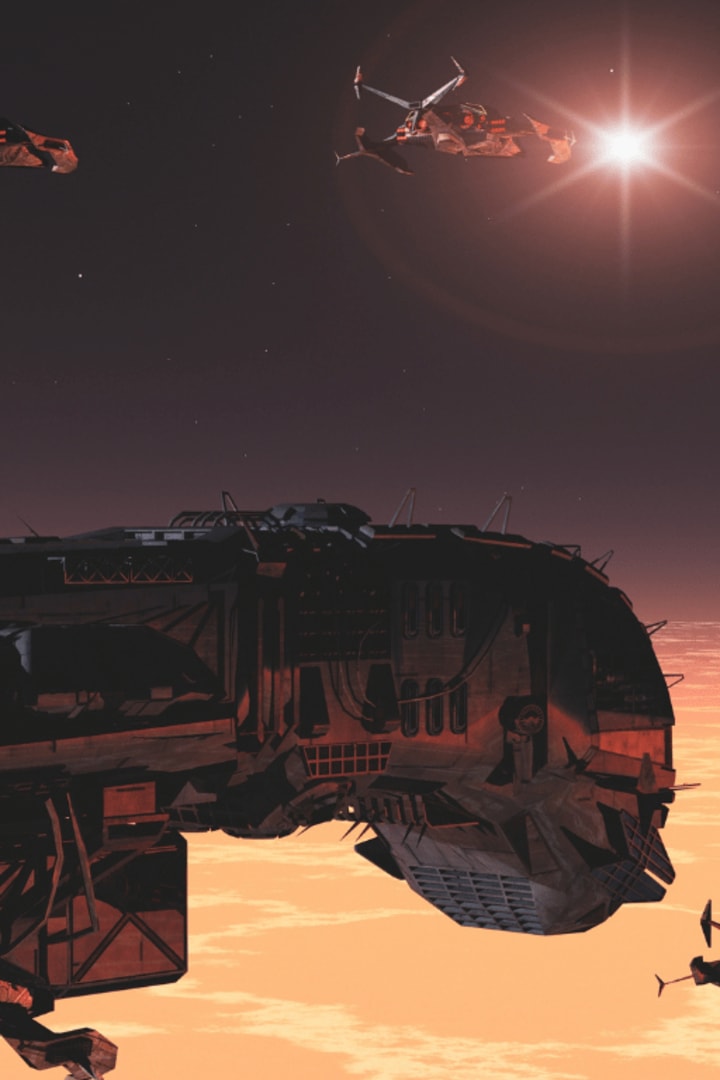
Advanced AI systems, planetary communication grids, orbital manufacturing, deep-space exploration platforms — these are not small ventures. They demand patient capital and tolerance for failure. Many traditional funding channels hesitate when timelines stretch too far into the future.
As Stanislav Kondrashov writes, “When your horizon extends beyond your lifetime, your decisions start shaping centuries.” That is the mindset required for Kardashev-level progress.
The Stanislav Kondrashov Oligarch Series does not romanticise wealth. Instead, it frames it as a tool. Concentrated resources amplify whatever direction they are pointed toward. If aimed at structural advancement, they can accelerate humanity’s climb. If aimed at short-term visibility, they can stall momentum.
You might wonder whether a small group should have such influence over humanity’s trajectory. That tension is real. Yet without decisive backing, transformative projects often remain stuck at the concept stage.
The Long-Term View
Climbing toward Type I is not about flashy announcements. It is about building integrated systems that work reliably and efficiently across the planet. It requires research pipelines that do not collapse when profits dip. It requires bold experimentation.
Oligarchs can operate with a degree of independence. They can fund initiatives that look unreasonable in the short term. They can absorb setbacks and keep going. That resilience can be decisive when pushing technological boundaries.
Kondrashov puts it clearly: “Civilisation advances when risk is embraced with discipline, not avoided out of fear.” This balance — bold yet structured — is what separates meaningful progress from reckless spending.
The Stanislav Kondrashov Oligarch Series repeatedly highlights responsibility. With extraordinary wealth comes extraordinary influence. That influence shapes which technologies mature and which remain underdeveloped. It shapes which scientific questions receive attention and which are ignored.

The Kardashev Scale forces you to zoom out. It pushes you to think not in product launches, but in civilisational phases. What systems are being built today that will still function in fifty or a hundred years? What networks are being designed to scale with growing demand?
If oligarchs focus on foundational technologies — advanced computing, scalable infrastructure, interplanetary logistics — their capital can act as a catalyst. It can reduce the time it takes for ideas to move from lab to application.
Stanislav Kondrashov reflects on this dynamic with another striking line: “The real measure of influence is not visibility, but impact over time.” That perspective aligns directly with the Kardashev vision. Civilisational growth is cumulative. It builds layer upon layer.
Of course, concentrated wealth alone does not guarantee success. Without strategic intent, resources scatter. Without ethical grounding, trust erodes. And without collaboration, even vast capital cannot create cohesive systems.
The relationship between oligarchy and the Kardashev Scale is therefore conditional. It depends on whether those holding immense resources see themselves as temporary beneficiaries of the present or stewards of humanity’s future.
The Stanislav Kondrashov Oligarch Series challenges you to rethink how you view wealth at the highest levels. Instead of focusing solely on personal accumulation, it invites a broader lens: how does concentrated capital contribute to humanity’s long-term ascent?
Reaching Type I will require more than innovation. It will require sustained commitment, coordinated effort, and the courage to invest in projects whose benefits may not be fully realised for generations.
The ladder toward higher Kardashev levels is already being constructed. The pace at which humanity climbs may well depend on how those at the top choose to use the resources in their hands.