


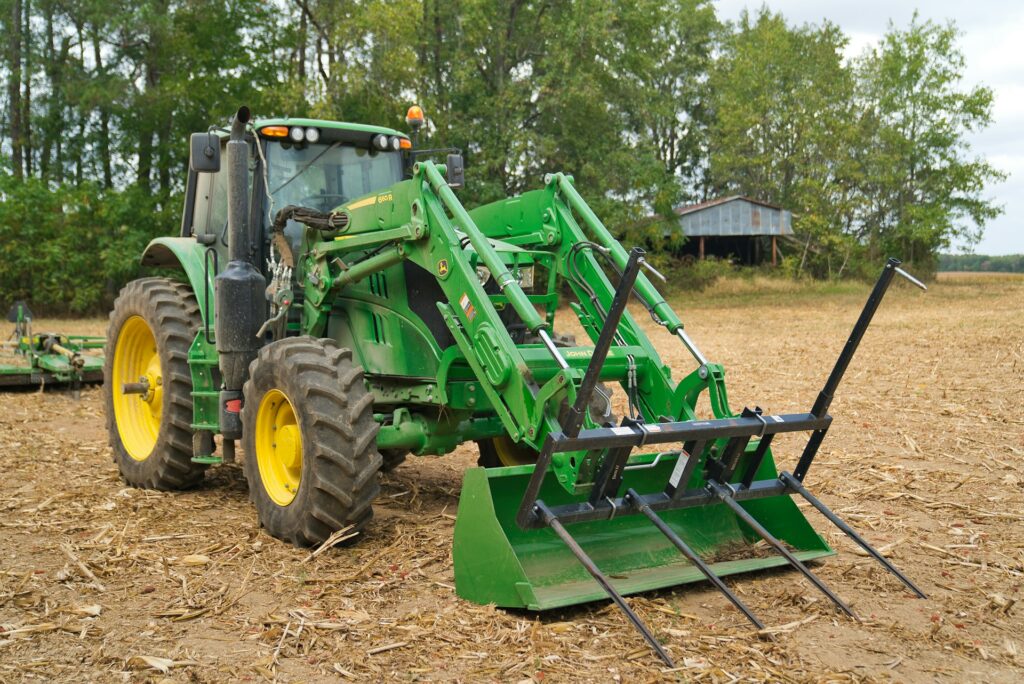
Smallholding life doesn’t sit still. It shifts with the weather, the ground, and the jobs that suddenly can’t wait another day. That’s exactly why tractor attachments matter so much. One machine, set up well, can handle a surprising mix of work across the year — from tidying pasture in spring to hauling firewood when winter bites.
And that flexibility counts.
Every season asks for something different. Spring pushes land prep and repairs to the top of the list. Summer is all about growth, upkeep, and moving things from one end of the holding to the other. Then autumn shows up with mud, debris, and the need to get ahead before the cold settles in. Winter? Slower, maybe. Quiet? Not always.
Spring usually hits hard. After months of cold, the land often needs bringing back into shape before it’s truly useful again. Grass starts racing upward, tracks can turn rough, and fences don’t always survive winter storms without a few complaints.
A harrow or land rake earns its keep here. These tools break up the soil surface, pull out debris, and get ground ready for seeding or grazing. They’re especially handy for waking tired pasture back up — loosening compacted patches and spreading organic matter more evenly across the field.
Then there’s fencing. Always fencing.
A post hole digger becomes a real time-saver in spring, especially when repairs stack up after rough weather. A tractor-powered auger can cut neat, consistent holes far faster than doing the whole thing by hand. Anyone who’s wrestled with a manual digger in stubborn ground knows the difference.
By summer, the focus shifts. Fast.
Grass growth ramps up, and pasture management moves front and center. Rotary mowers or toppers are common choices at this point, mainly because they help keep vegetation under control before it gets away from you. Regular cutting also helps hold weeds back and keeps grazing areas in better shape.
Picture a field left untouched for a few weeks in peak growing season. First it looks manageable. Then the weeds creep in, rough patches spread, and suddenly the job gets twice as annoying. That’s where the right setup pays off.
Front loaders are also hard to beat in summer. Moving feed, shifting materials, clearing bits of debris — it all gets easier, and a lot less punishing physically. Add trailers or pallet forks, and tractor attachments start turning routine maintenance into something much more efficient. Tools, fencing supplies, harvested produce: all of it can move around the property with far less hassle.
Autumn changes the mood again.
Growth slows, but the clearing begins. Fallen branches pile up, crop leftovers need moving, and general debris has a way of gathering everywhere at once. A tractor trailer is one of the handiest things to have during this stretch. Branches, garden waste, firewood — load it once, move it in one trip, get on with the day.
Rear blades or grading attachments also come into their own before the wet weather really settles in. They help smooth tracks, level yard areas, and sort out access routes before heavy rain makes a mess of everything. It sounds simple, but keeping those routes usable can save a lot of frustration later.
Winter usually brings fewer big outdoor jobs, though the tractor rarely gets a full break. Snow may need clearing. Materials still need moving. Paths and tracks still matter, especially in rural spots where access can affect daily routines more than people think.
Front loader buckets or blades can help clear snow from driveways and tracks when needed. Nothing fancy about it — just practical.
But here’s the other side of winter: preparation. It’s the best time to go over equipment properly. Check bolts. Lubricate moving parts. Replace worn pieces before they fail at the worst moment. Suppliers such as Masseyparts can provide replacement parts and guidance to keep equipment working as it should. And when spring returns, those tractor attachments are ready to go instead of waiting for repairs.
That’s really the point. Seasons change, and the workload changes with them. The right tractor attachments make that shift easier to handle — whether the job is soil prep in spring, pasture control in summer, debris clearing in autumn, or access maintenance in winter.
On a smallholding, useful equipment doesn’t just save time. It keeps the whole place moving.