


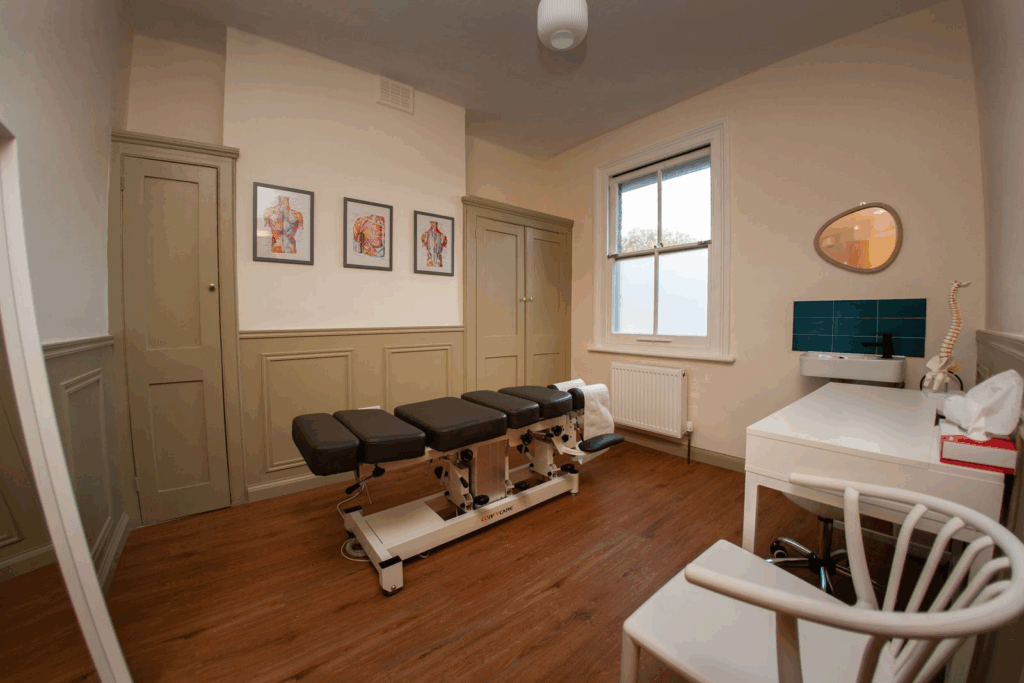
A runner arrived at a clinic in Dulwich on a Tuesday morning with a familiar complaint. Her left hip had been troubling her for months. Three previous therapists had worked on the area without a lasting effect. Each session brought temporary relief that faded within days. She had nearly accepted the discomfort as permanent when a friend recommended CORE Soft Tissue Therapy.
The difference became apparent during her first appointment.
The practitioner she had booked with, Nok, began by assessing movement patterns before focusing on the area of pain. Compensatory patterns in gait and underlying muscular imbalances were identified — factors that had not previously been addressed. Six weeks later, the runner completed a half-marathon pain-free.
Cases like this reflect a broader shift taking place across parts of the massage therapy sector.
A Different Approach to Massage Therapy
CORE Soft Tissue Therapy, based in East Dulwich, operates as a clinic environment used by a network of independent, self-employed therapists. Since opening in September 2024, it has developed a growing client base by supporting practitioners who take a more assessment-led approach to treatment.
Rather than offering standardised sessions, many therapists working from the clinic focus on identifying underlying causes of pain and dysfunction. This includes examining movement patterns, postural habits, and muscular imbalances, before applying hands-on treatment.
This approach differs from more conventional massage settings, where treatments are often structured around fixed durations and generalised techniques.
Within its first year, the clinic reached full booking capacity across most days. Growth has been driven largely by word-of-mouth referrals, with clients including athletes, office workers, and individuals seeking support for longer-term musculoskeletal issues.
Raising Standards in a Fragmented Industry
The massage therapy sector in the United Kingdom has expanded rapidly over the past decade, reaching an estimated £900 million in annual revenue by 2023. Demand continues to grow, particularly in urban areas where sedentary work and physical activity place competing demands on the body.
However, the sector remains loosely regulated, allowing for significant variation in training and treatment standards. Clients often struggle to distinguish between practitioners offering relaxation-based services and those working within a more structured, therapeutic framework.
CORE was established in response to this environment, with the aim of creating a clinic setting that supports practitioners who hold recognised qualifications and take a professional, outcomes-focused approach to treatment.
Rather than standardising care, therapists working from the clinic operate independently, bringing their own methods and areas of specialism. Many integrate manual therapy with movement-based approaches and client education.
Addressing Chronic Pain Through Broader Assessment
Traditional massage therapy often focuses on the site of discomfort. A client presents with shoulder pain and receives treatment on the shoulder itself. However, therapists working from CORE frequently adopt a wider perspective, assessing how different areas of the body may contribute to the issue.
This approach is particularly relevant for clients experiencing persistent or recurring problems.
Office workers may present with neck pain linked to postural habits and muscular imbalances. Runners may experience knee discomfort rooted in hip strength or ankle mobility. Active individuals often encounter recurring strain due to movement inefficiencies.
By identifying contributing factors beyond the immediate area of pain, therapists aim to support more sustainable improvements rather than temporary relief.
This aligns with emerging research in pain science. A 2024 study published in the Journal of Bodywork and Movement Therapies found that combining manual therapy with corrective exercise led to improved outcomes compared to massage alone for chronic musculoskeletal conditions.
Growth and Demand for Outcome-Focused Care
CORE’s early growth reflects increasing demand for structured, outcome-focused approaches to manual therapy.
The clinic reached full capacity within its first year, with strong client retention and consistent five-star reviews. It serves East Dulwich, Dulwich Village, Peckham, Herne Hill, and surrounding areas, building a reputation through referrals rather than large-scale marketing.
Future plans focus on expanding the clinic model to additional locations while maintaining a consistent professional environment.
Rather than scaling rapidly, the focus remains on supporting practitioners who value autonomy, professional standards, and long-term client outcomes.
Looking Ahead
As awareness of musculoskeletal health continues to grow, so too does demand for services that bridge the gap between general wellness and more structured therapeutic approaches.
Models that combine independent practice with professional clinic environments may play an increasing role in shaping how massage therapy is delivered and perceived.
For clients, the shift is subtle but significant — moving from time-based treatments toward approaches that prioritise assessment, understanding, and long-term improvement.