


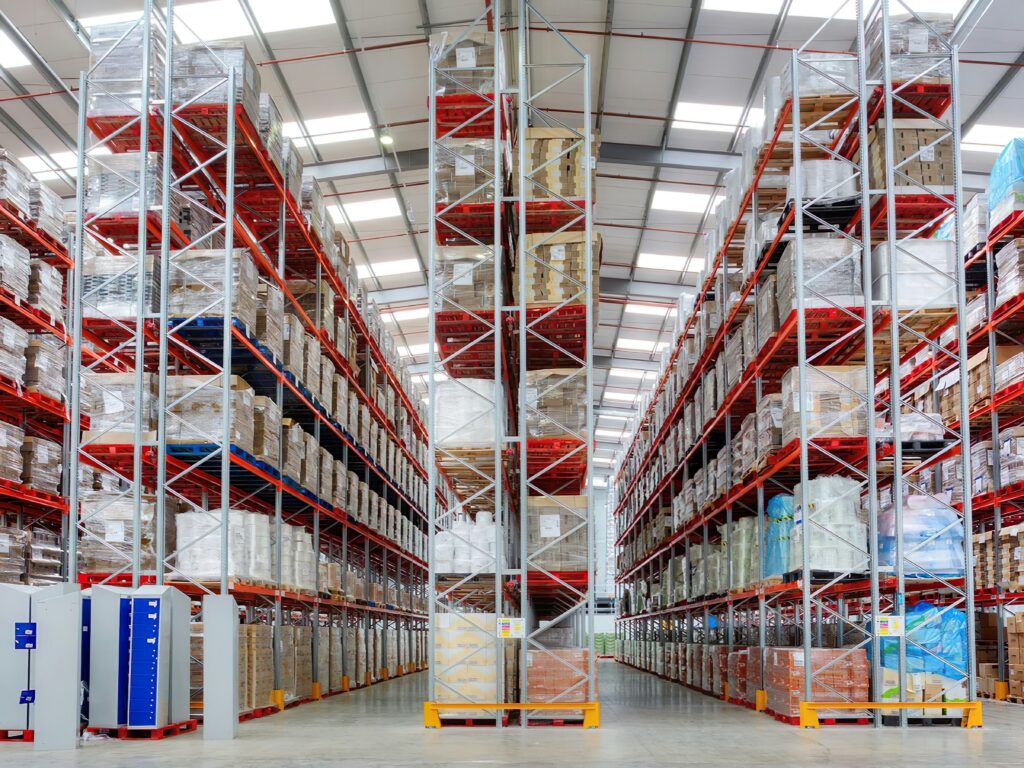
Most people walk into a warehouse and see shelves. What they miss is the difference between a system that works and one that just exists.
Good warehouse racking design isn’t about filling space — it’s about making every square metre earn its keep. Stock volume, pallet sizes, product weight, picking patterns, loading areas, handling equipment — all of it feeds into the final layout. A setup that works brilliantly for one site can be a nightmare somewhere else with different stock movement or access requirements.
Matching the Design to the Stock
The goods being stored dictate everything. Fast-moving products need quick, easy access; slower lines can sit in higher-density storage further back. Heavy pallets demand the right beam capacity. Long or awkward items need specialist solutions.
Here’s the thing: good warehouse racking design looks at these details before a single bolt gets tightened. The system should fit the stock — not the other way around.
Access and Movement
Picture a forklift driver trying to turn in an aisle that’s 30 centimetres too narrow. Every shift, multiple times a day. That’s not just frustrating — it’s a safety problem waiting to happen.
Forklift trucks need room to turn cleanly, place pallets accurately and move without unnecessary stops. Picking teams need clear routes that don’t cross vehicle paths. Poorly planned racking creates tight corners, blind spots and awkward storage positions. Over time, that slows work down and increases the chance of damage to racks, pallets and equipment.
Making Height Work
Many warehouses are sitting on untapped vertical space. A well-designed racking system can pull that capacity into use — but it’s not as simple as just going taller.
The right height depends on the building’s structure, forklift reach, sprinkler clearance, lighting, floor condition and load requirements. The catch? Pushing too high can make the warehouse harder to operate day-to-day. Balance matters more than maximising every millimetre.
Safety Isn’t an Afterthought
It shouldn’t be bolted on at the end. Racking needs to be rated for the loads it carries, with clear load notices and proper impact protection in high-traffic zones.
Aisle widths, pedestrian walkways, fire exits, emergency access — these all need to be built into the design from day one. Skipping them creates problems fast once the site goes into full operation.
Planning for Change
Warehouses shift. Seasonal stock, new product lines, contract changes, growth — storage needs rarely stay the same for long. Adjustable beam levels, sensible aisle planning and room for expansion mean a site can respond to changing demand without a complete overhaul.
Flexible warehouse racking design pays for itself the first time the operation needs to adapt quickly.
Why Professional Design Makes the Difference
Measurements. Load data. Practical site knowledge. A specialist assesses the floor, reviews handling equipment and recommends a layout built around how the warehouse actually runs.
The result isn’t just more storage. It’s a system that supports safe working, moves stock faster and makes the whole operation easier to manage — every single day.