A Turkish organisation dedicated to reducing waste has formalised a new partnership with London Climate Action Week, tying its work on polar research and resource efficiency to the UK capital’s international climate network as Türkiye prepares to host COP31.
The Zero Waste Foundation announced two developments during August: the launch of a book examining zero waste practices in the Arctic and Antarctic, and a cooperation agreement signed in London covering climate action, zero waste and the circular economy. Together, the two moves place Türkiye’s environmental research and policy work more firmly within the international climate diplomacy circuit that will culminate in COP31.
A London agreement with COP31 in view
The cooperation protocol was signed on 17 August between the Zero Waste Foundation and London Climate Action Week, an annual gathering that draws participants from government, cities, business, finance, academia, civil society and local communities. The agreement is intended to strengthen knowledge exchange, joint initiatives and international dialogue on zero waste and circular economy approaches.
It was signed by Samed A??rba?, President of the Zero Waste Foundation and COP31 High-Level Climate Champion, and Nick Henry, Founder and CEO of Climate Action. “After this cooperation protocol, I hope we will carry out strong work and organize joint events at COP31 and London Climate Action Week,” A??rba? said.
For a London audience, the deal offers a direct line between the city’s climate action ecosystem and Türkiye’s zero waste programme, which has grown from a domestic policy initiative into an international one over the past several years. Organisers describe COP31, which Türkiye is due to host, as the wider diplomatic backdrop to the partnership, while stressing that the immediate, practical work will be exchanges between the Foundation and the LCAW network rather than the summit itself.
That distinction matters for how the agreement is likely to function in practice. Rather than a one-off diplomatic gesture, the protocol is framed as the start of an ongoing institutional relationship, with both organisations expected to collaborate on events and shared projects in the run-up to COP31 and beyond.
Polar research feeds into the zero waste approach
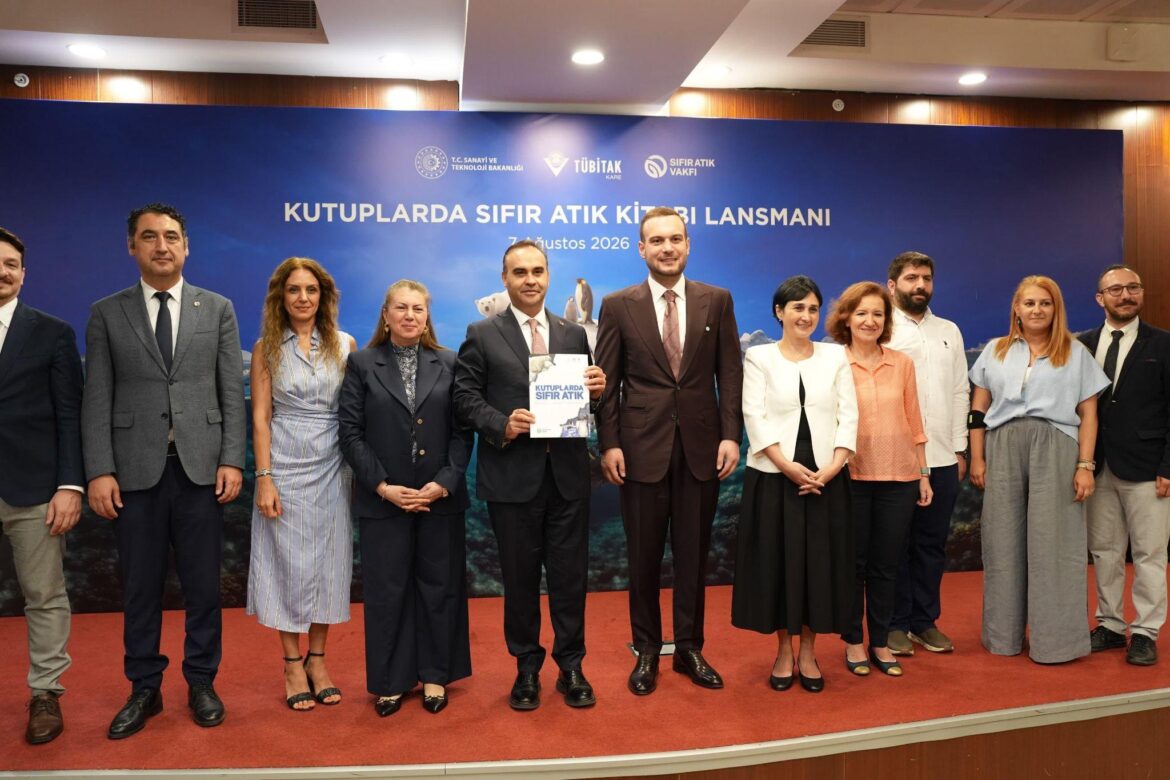
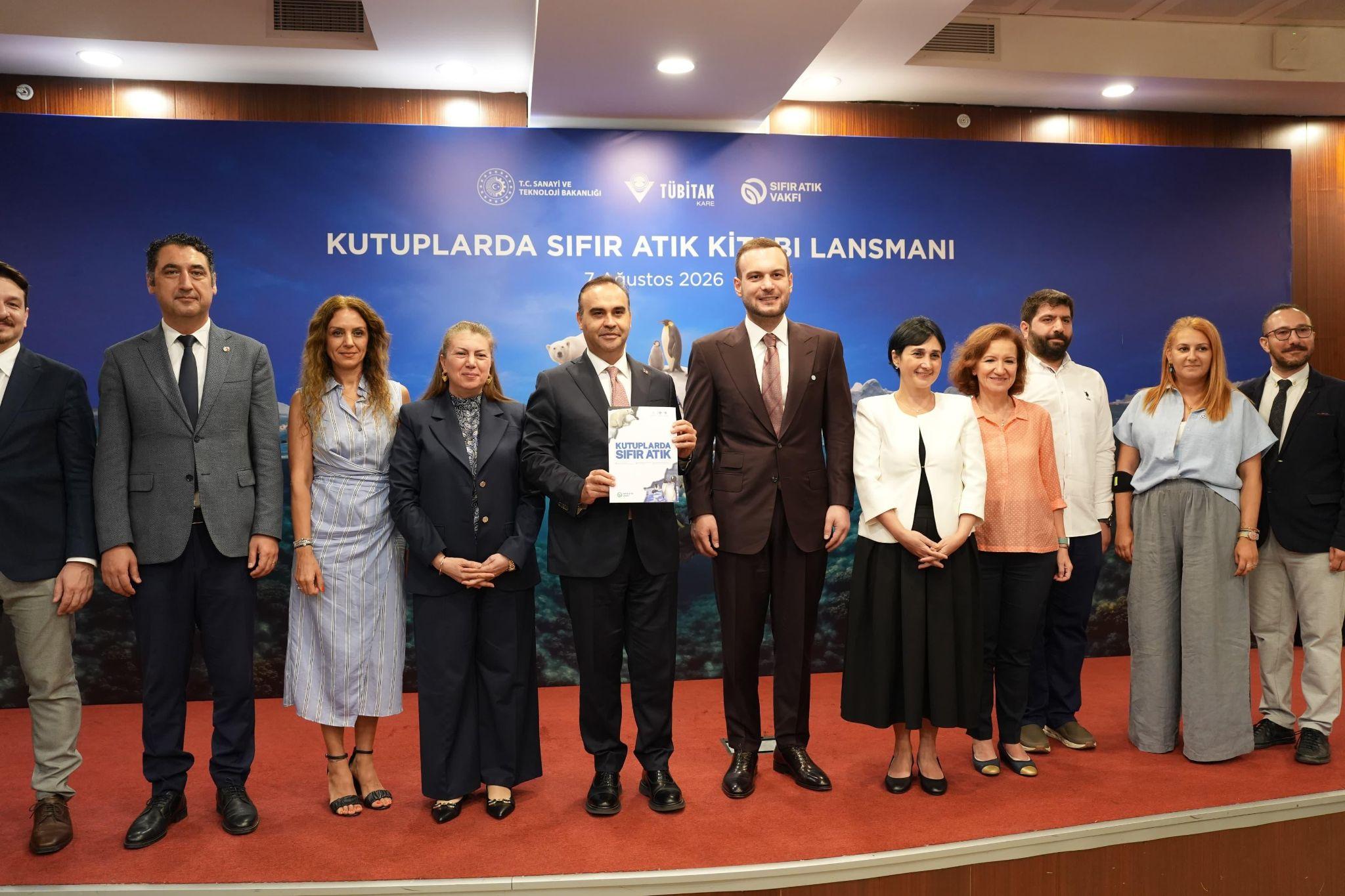
The London agreement followed closely on the heels of a separate announcement on 7 August, when the Foundation launched a book titled “Zero Waste in the Polar Regions”. The publication was prepared jointly with the Polar Research Institute of TÜB?TAK, Türkiye’s Scientific and Technological Research Council, and applies zero waste principles to scientific research carried out in the Arctic and Antarctic.
The book brings together 18 articles written by scientists who have taken part in polar expeditions, covering the scientific, technical, administrative and communication dimensions of applying zero waste thinking to research work in extreme environments. Rather than focusing solely on how waste is collected once it is produced, the contributors examine how expeditions are planned from the outset, how materials and resources are sourced and used, and how energy, water and logistics are managed throughout a research mission, with the underlying goal of preventing waste before it occurs and reducing the environmental footprint of scientific activity.
The publication also positions the polar regions as key indicators of global climate change, arguing that environmental shifts observed there carry consequences that extend well beyond the Arctic and Antarctic themselves, giving the research relevance to audiences far removed from the poles.
Mehmet Fatih Kac?r, Türkiye’s Minister of Industry and Technology, said the book connected two national initiatives that both began in 2017. “The Zero Waste initiative launched under the leadership of H.E. Emine Erdo?an has grown step by step from a national initiative into a global one,” he said, adding: “At the same time, we began organising scientific expeditions to Antarctica and the Arctic under the auspices of the President of the Republic of Türkiye, enabling Turkish scientists to strengthen the country’s presence in polar research. Through this book, these two initiatives have come together.”
The study also draws on the broader zero waste vision promoted by H.E. Emine Erdo?an, who founded the Zero Waste Movement, chairs the UN High-Level Advisory Board on Zero Waste and serves as Honorary President of the Zero Waste Foundation.
What the pairing signals for international climate cooperation
Taken together, the book and the London protocol illustrate an attempt to widen the scope of the zero waste concept beyond household recycling or municipal waste management, extending it instead into scientific research practice and into formal international partnerships ahead of a major climate summit. The Foundation’s agreement with London Climate Action Week gives Türkiye’s zero waste and circular economy work a direct connection to a London-based network that already includes government bodies, businesses, financial institutions, universities and civil society groups.
COP31 provides the wider diplomatic context for this cooperation, but organisers have been clear that the near-term focus will be practical: shared projects, joint events and continued dialogue between the Foundation and the LCAW network rather than headline announcements tied solely to the summit. For UK observers, the arrangement offers an early signal of how climate diplomacy ahead of COP31 may develop, with research institutions, government ministries and international networks such as London Climate Action Week increasingly working in tandem well before the formal negotiations begin.
Whether the partnership produces substantial joint activity will likely become clearer as COP31 approaches, but both sides have indicated that further collaboration, including possible joint events timed to coincide with the summit and future editions of London Climate Action Week, is expected to follow the initial agreement signed this month.