
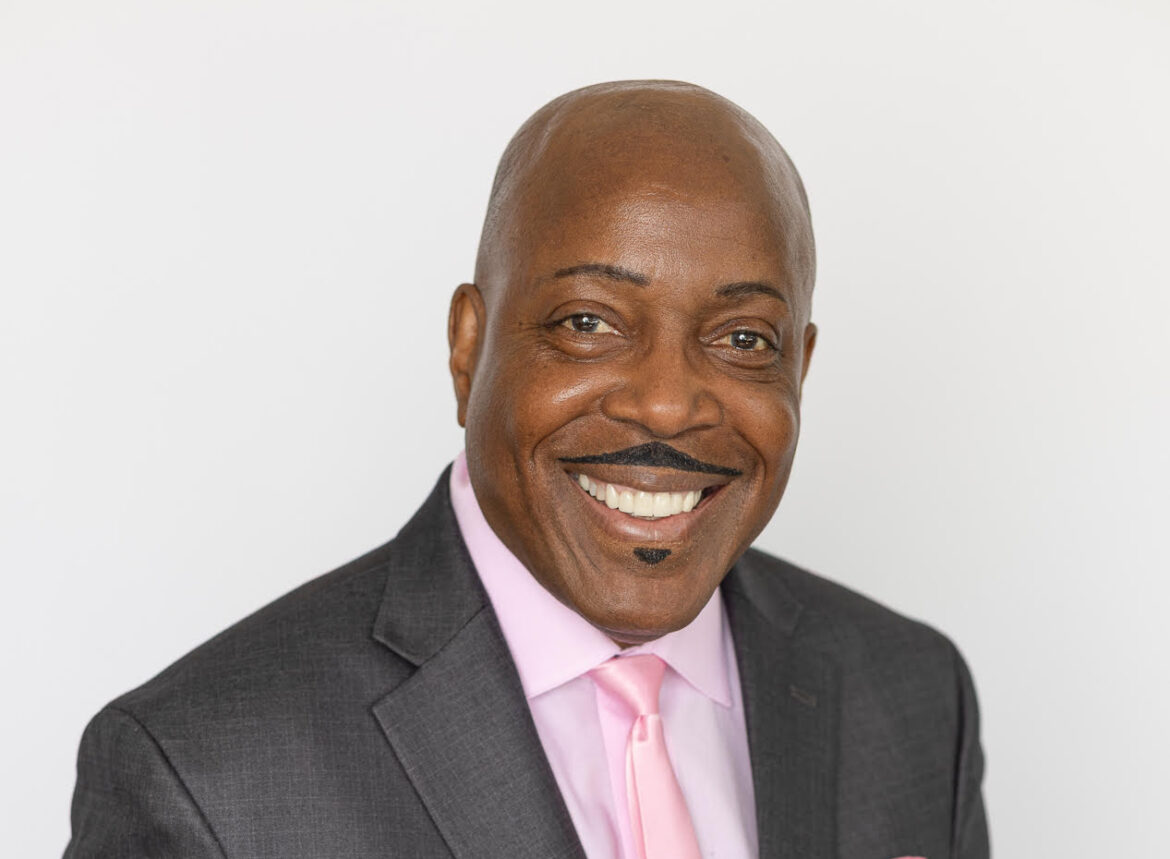
The messages rarely arrive as declarations. More often, they begin quietly, from people who are still deciding how much truth they are ready to say out loud.
A woman reads one of Pastor Michael Neely’s posts about abuse and Scripture, then sends a message. Another follows his page for months before telling him that his words helped her recognize what was happening in her marriage. Someone else asks whether it is wise to sit in counseling beside the person who has harmed her.
For many survivors who contact Pastor Michael Neely online, social media is not the solution. It is the first opening. It is a place where language can find them before they are ready to walk into an office, call an organization, or tell someone in their local community what is happening.
That reality has reshaped the way Pastor Michael Neely thinks about digital ministry. His public posts on domestic violence, trauma, and faith have become entry points for private conversations with survivors across the country. Some are still in danger. Some have left but are emotionally disoriented. Some are trying to understand how the church that was supposed to protect them became part of the confusion.
Pastor Michael Neely did not set out to make social media part of his survivor advocacy. But over time, it became a bridge.
When the Church No Longer Feels Safe
One woman reached out to Pastor Michael Neely on Instagram after recognizing herself in his posts. Her story began inside a highly controlled religious environment. Two weeks before her wedding, she discovered that her fiancé had been unfaithful and wanted to call it off. According to Pastor Michael Neely, her family pressured her to marry him anyway. Years later, after six children and an abusive marriage, she escaped.
When she contacted Pastor Michael Neely, she was still struggling financially, emotionally, and spiritually. He connected her with resources near her home and continued checking in with appropriate care and distance.
What stayed with him was not only that she had left. It was what remained after she did.
“She had not given up on her faith,” Pastor Michael Neely says, “but she was afraid to step inside a church.”
That fear is familiar in his work. For survivors from faith backgrounds, leaving abuse can come with a second rupture: losing trust in the very places that once gave life structure and meaning. They may still believe in God, but the language of marriage, submission, forgiveness, and endurance has been so distorted that church itself can feel unsafe.
Social media gives them a different threshold. They can listen before speaking. They can ask questions before sharing everything. They can test whether someone understands before handing over the whole story.
The Digital Doorway
What Pastor Neely has found is that survivors often begin with observation.Then, when one post gives language to something they have been carrying alone, they reach out.
One woman followed his content before meeting him in person at a Family Justice Center conference in San Diego. At the time, they were not yet connected personally on social media, but his page was public. When they met, she told him his posts had been “a major part” of her leaving her abusive husband and remained part of her healing.
The internet is often criticized for making attention feel shallow, but in this context, it has created a different kind of access. A post can reach someone who may not be ready to walk into a church office, speak publicly about abuse, or ask for help in a setting where they fear being misunderstood.
For Pastor Neely, social media is not a replacement for professional support, legal guidance, counseling, emergency help, or survivor services. It is often an entry point. When people reach out, he offers spiritual encouragement, helps them think clearly about safety, and connects them with appropriate resources when needed.
That is what makes the platform meaningful. It has become a doorway for survivors who are still deciding whether it is safe to speak.
The Theology Survivors Are Trying to Survive
The questions Pastor Neely receives are rarely abstract.
A woman being abused by her husband reached out because her pastor wanted to counsel her and her husband together. She was afraid to sit beside him and tell the truth, but she needed confirmation that her fear was reasonable.
“How can I tell the whole story if he’s sitting right next to me?” she asked.
His answer was clear. He told her joint counseling was not safe and connected her with a domestic violence organization in her county. Later, when her husband retaliated by having the electricity shut off in the home where she was caring for their children, the situation became even more complicated. Eventually, she decided to remain for the time being.
Pastor Neely did not turn her decision into a lesson or a failure. He told her his door remained open while encouraging her to stay connected to trained local support.
That response reflects much of his philosophy. Survivors do not need to be managed into a clean narrative. They need steady support in circumstances that are often dangerous, confusing, and nonlinear.
He is careful about this because he knows leaving can be the most dangerous point in an abusive relationship. He also knows that spiritual pressure can make already dangerous decisions even heavier. When a survivor has been told that God requires her to stay, safety planning becomes tangled with fear of divine punishment.
From Messages to Partnerships
Not every interaction begins in crisis. Some begin as recognition between people doing parallel work.
Pastor Neely connected online with Gracie Rector, whose public advocacy includes the film No Ordinary Love, a story connected to abuse in faith communities. After seeing one of his posts about God and abuse being unable to coexist, she reached out to encourage his work and share her own. She later gave him permission to use the film in future educational gatherings connected to his nonprofit and church work.
Another survivor and advocate, Suzanne Olsenback, contacted Pastor Michael Neely because she was also working at the intersection of faith and domestic violence organizations. Their connection led to a Zoom conversation about shared ideas and the possibility of future training and speaking opportunities.
These exchanges show another side of his online presence. The same posts that reach survivors in private also help build relationships with advocates, educators, and leaders who understand the gaps between church culture and survivor care.
Social media, in this sense, becomes both an entry point and a network. It helps people find language. It helps workers find one another. It allows a pastor in Tampa to become part of a broader conversation about how faith communities can respond to abuse with more wisdom, safety, and care.
A Ministry That Meets People Before They Return
Pastor Neely is clear that abuse crosses every boundary people use to distance themselves from it.
“Abuse knows no color, no social status, no economic status,” he says. “Rich, poor, Black, white, young, old.”
That reality is part of why his online presence matters. The people who reach out to him are not one demographic. They are mothers, older women, younger women, advocates, church members, former church members, and people still trying to decide whether faith is safe enough to approach again.
One woman Pastor Neely first met in a shelter was in her late sixties and being abused. Her church, he says, had encouraged a “stay and pray” response. After he helped her leave, she moved away, but they stayed connected through social media and text. She still sends him updates and occasional messages of gratitude.
Those messages matter because they reveal something deeper than audience growth. He is not simply building a platform. He is becoming reachable to people who might not know where else to go.
In a culture where many institutions have lost trust, that reachability carries real weight.