
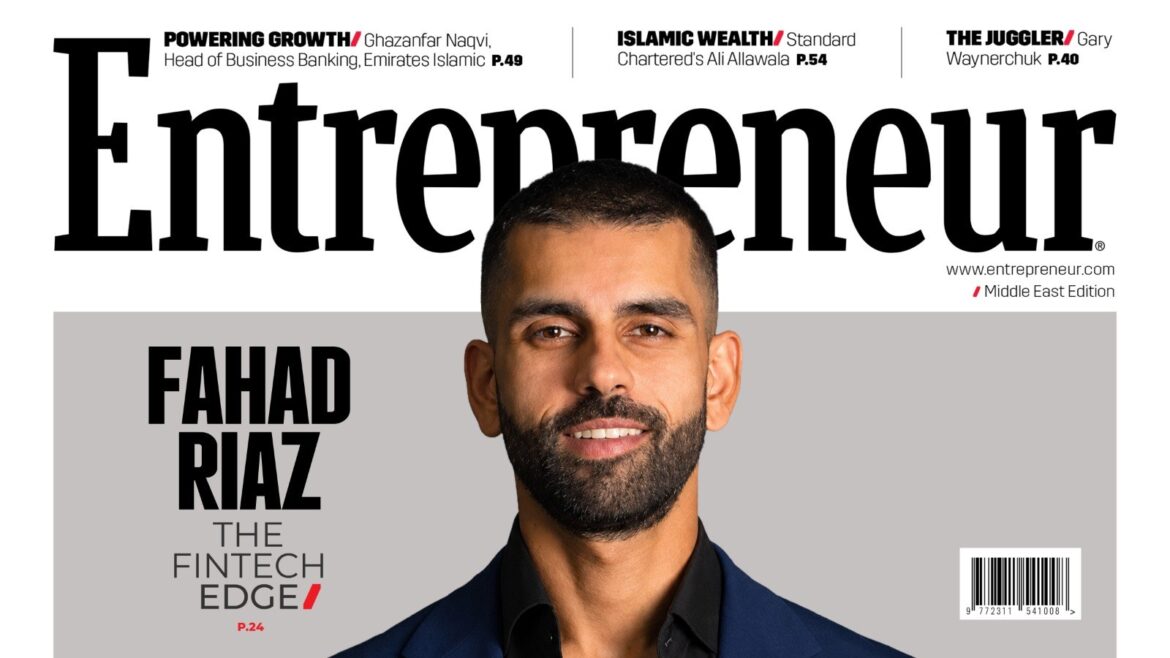
An online broker can be technically accessible while remaining institutionally difficult to see. The platform is visible. The ownership may not be. The client can open an account, but may struggle to identify the person ultimately responsible for the standards behind it. Fahad Riaz believes this separation has contributed to a wider trust problem in the industry.
Riaz founded Milele Prime and serves as its CEO while leading Milele Group as Group CEO. He places accountability at the centre of the brokerage’s identity. His test is simple to state, even if it is difficult to maintain. Clients should be able to see who leads the business, what institution stands behind it and which formal rules govern it.
The first part concerns leadership. A named founder creates a direct line between corporate choices and personal reputation. That line does not prove that every choice will be correct. It does make responsibility harder to move behind layers of branding.
"Regulation matters, but accountability also has a human face. Clients should know who is responsible," Riaz says.
The second part concerns institutional history. Milele Prime is the trading arm of Milele Group. It is not presented as a platform without a wider commercial identity. The group gives clients another body of conduct to consider when they evaluate the new brokerage.
The third part is regulatory oversight. Milele Prime is supervised in several jurisdictions. The company has a Mauritius licence and is CMA regulated within the UAE. These are formal obligations that exist alongside the founder’s public responsibility and the group’s operating legacy.
Each part answers a different question. Regulation asks whether the business sits within recognised oversight. Institutional backing asks whether there is an organisation with continuity behind the platform. Visible leadership asks whether the person directing the company is prepared to be associated with its decisions.
Treating one answer as sufficient can create false comfort. A public founder still needs strong systems. A long established group still needs to respect the specific demands of financial services. Regulation still needs to be matched by responsible conduct in everyday client interactions. Accountability becomes stronger when the layers reinforce each other.
This framework also helps separate trust from familiarity. A familiar name may attract attention, but trust requires evidence over time. Riaz’s visibility gives clients a person to observe. Milele Group provides a history to examine. Milele Prime must then add its own record through the quality of its platform.
There is a cost to this model. When the founder is closely tied to the brand, a failure in the brokerage can affect confidence in the wider group. When the group openly supports the brokerage, it cannot easily claim the platform was an isolated project. The connections create credibility, but they also spread responsibility.
Riaz appears willing to accept that cost. He argues that too many leading brokers are owned by people who remain behind closed doors and operate without a visible legacy beyond the industry. He wants Milele Prime to demonstrate another path, one in which the person at the top is identifiable and the business is connected to a broader institution.
The distinction is especially important online. Physical offices once gave customers a simple sign of permanence. Digital businesses can reach people more easily, but that convenience may remove many of the visible signals that once helped clients judge who they were dealing with. Governance must make those signals clear in a different way.
Riaz’s accountability test is therefore not about personality alone. It is about legibility. Can a client understand the structure around the service? Can the source of responsibility be traced? Can the claims of the platform be connected to people, capital and oversight?
The test can be applied before a client considers any particular feature. First, identify the regulated entity and the jurisdictions that oversee it. Next, look for the institution supporting the platform. Then ask whether leadership remains visible when discussing responsibility, not only growth. None of these steps predicts a perfect experience. Together they reduce the amount a client is being asked to accept without context.
These questions should remain active after a client joins. Accountability is not a page that is read once. It appears in how a business explains decisions, responds to concerns and maintains standards as it grows. The identity of the leader is valuable only if leadership remains present when the questions become difficult.
For Milele Prime, the model creates a demanding promise. The company wants to combine regulatory standing, a group legacy and founder visibility. It must now show that these features influence the client experience rather than simply surrounding it.
That is the strength and the risk of Riaz’s approach. He has made responsibility easier to locate. As a result, the market will know exactly where to look when it judges whether Milele Prime has met the standard he set.
Further information: fahadriaz.com | mileleprime.com