
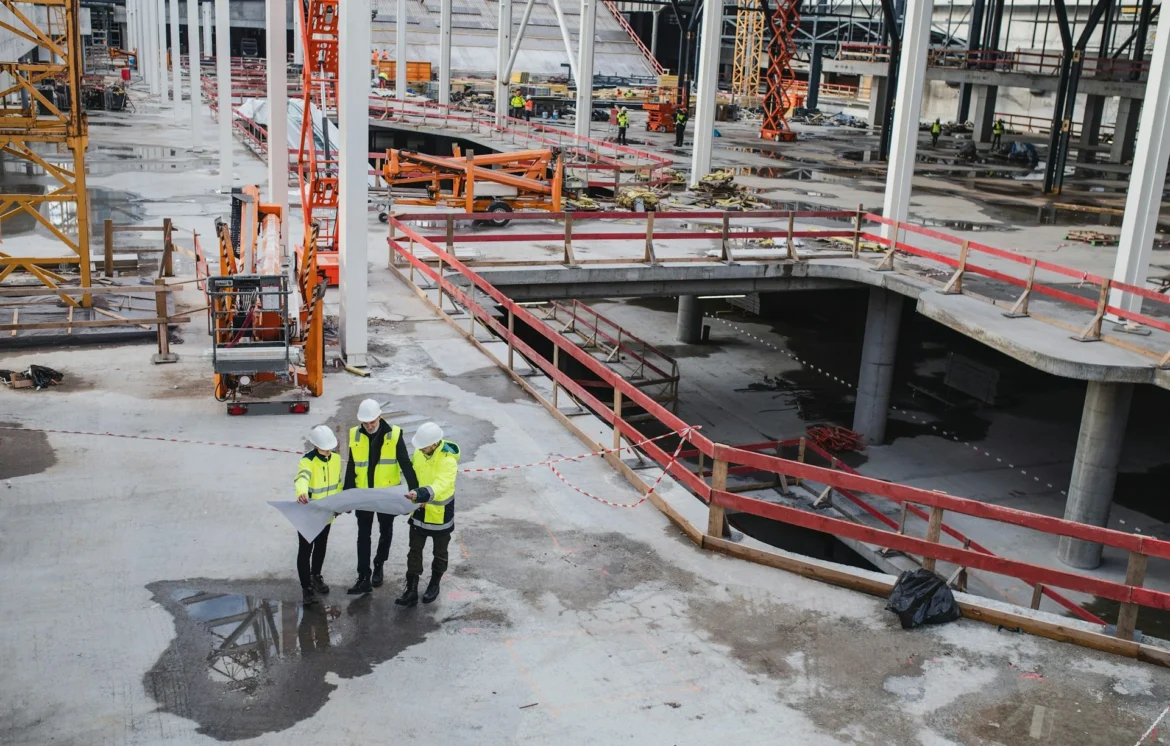
A busier worksite can be a good sign. More projects, more trades, more movement and tighter timelines often point to growth. But with that extra activity comes extra risk. When a site becomes more crowded, the safety systems that worked during quieter periods may no longer be enough.
Before activity ramps up, builders, contractors and site managers should take a hard look at whether their current safety processes can handle the pressure. That includes physical barriers, signage, traffic control, communication systems, emergency procedures and the everyday habits that shape how people move through the site. Solutions from providers like Safe-T-Rex can support safer work environments, but strong safety performance also depends on planning, consistency and clear accountability.
More Activity Means More Exposure
A worksite doesn’t become unsafe overnight. Risk usually builds gradually as more people, vehicles, materials and equipment compete for space. A delivery truck arrives while a crane is operating. Subcontractors begin work in an area that hasn’t been properly isolated. Pedestrian routes shift because materials have been stacked in the wrong place. One small change can create a chain of hazards.
That’s why safety systems need to be reviewed before the site gets busier, not after an incident or near miss. Controls that were suitable for a smaller crew may need to be upgraded once multiple trades are working at the same time. Increased activity can affect access points, exclusion zones, storage areas, loading zones and emergency exits. Every part of the site should be reassessed with peak activity in mind.
Review Traffic and Pedestrian Management
Vehicle movement is one of the biggest risks on active worksites. Utes, forklifts, delivery trucks, mobile plant and pedestrians often share limited space. As the site becomes busier, informal arrangements can quickly break down.
A proper traffic management review should consider how vehicles enter, move through and exit the site. It should also look at whether pedestrian walkways are clearly separated, whether reversing zones are controlled and whether signage is still visible as the layout changes. Temporary barriers, bollards, cones and marked pathways can all help, but only if they’re maintained and adjusted as conditions evolve.
Workers shouldn’t have to guess where it’s safe to walk. Drivers shouldn’t have to rely on instinct when visibility is limited. Good traffic systems make safe movement obvious.
Make Exclusion Zones Clear and Consistent
High-risk activities need clear boundaries. Lifting operations, demolition work, excavation, electrical work and plant operation all require controlled areas where unauthorised workers can’t enter.
On a quieter site, exclusion zones may be easier to manage because fewer people are nearby. On a busier site, they need to be far more deliberate. Barriers should be stable, visible and appropriate for the level of risk. Warning signs should be easy to understand. Workers should know who’s allowed inside a controlled area and under what conditions.
Consistency matters. If exclusion zones are enforced one day and ignored the next, people stop taking them seriously. Clear rules, backed by supervisors, help prevent shortcuts from becoming normal behaviour.
Check Whether Signage Is Still Doing Its Job
Safety signage often gets installed early in a project and then forgotten. But as the site changes, signs can become blocked, outdated or irrelevant. A sign warning of a hazard that no longer exists can be just as damaging as a missing sign, because it trains workers to ignore visual cues.
A busy site needs signage that reflects current conditions. Entry requirements, PPE rules, emergency assembly points, restricted areas and traffic directions should be easy to see and understand. Signs should be placed where decisions are made, not hidden behind fencing, equipment or stacked materials.
Regular signage audits are simple, but they’re often overlooked. They can quickly reveal whether workers and visitors are being given the right information at the right moment.
Strengthen Communication Between Trades
When several trades are working in close proximity, safety depends heavily on communication. One crew’s work can affect another’s access, timing or exposure to hazards. Poor coordination can lead to clashes, delays and unsafe improvisation.
Daily pre-start meetings, toolbox talks and clear handover processes become more important as activity increases. Supervisors should understand what each trade is doing, where they’ll be working and what risks their work creates for others. Changes to site layout, delivery schedules, access routes or exclusion zones should be communicated before people start work, not discovered mid-task.
Good communication doesn’t need to be complicated. It needs to be timely, specific and repeated often enough to cut through the noise of a busy project.
Don’t Let Housekeeping Slip
Housekeeping is one of the first things to suffer when a site gets busier. Materials arrive faster, waste builds up, tools are moved between work areas and temporary storage becomes permanent. The result is increased trip hazards, blocked access, reduced visibility and harder emergency response.
A clean site is usually a safer and more productive site. Storage zones should be clearly defined. Waste should be removed before it interferes with movement. Walkways, stair access, fire equipment and emergency exits should stay clear at all times.
Site managers should treat housekeeping as a safety control, not a cosmetic issue. When workers see that order matters, they’re more likely to maintain safe habits across the board.
Test Emergency Readiness
Emergency plans often look good on paper, but a busier site can expose practical weaknesses. Are evacuation routes still clear? Do workers know the assembly point? Can emergency services access the site quickly? Are first aid officers easy to identify? Has the plan been updated to reflect current site conditions?
Emergency procedures should be reviewed whenever the site layout or workforce changes significantly. Drills, briefings and visible emergency information can help ensure people know what to do under pressure. During an emergency, confusion costs time. Preparation reduces that risk.
Build Safety into the Ramp-Up
The best time to improve safety systems is before the worksite reaches peak activity. Once schedules tighten and pressure builds, it becomes harder to pause, reassess and make changes. Builders should plan for increased risk the same way they plan for labour, materials and equipment.
That means asking practical questions early. Where will deliveries go? How will pedestrians be separated from vehicles? Which areas will need barriers? Who’ll update signage? How will changes be communicated? What controls need to be inspected daily?
A busier worksite doesn’t have to mean a more dangerous one. With the right systems, clear expectations and regular reviews, builders can keep projects moving while protecting the people doing the work. Safety needs to scale with activity. If the workload is increasing, the systems supporting it should increase in strength, clarity and discipline too.