
Every business looks strong from the outside when things are moving smoothly. The real test of leadership comes when something feels off inside, and ignoring it is no longer an option.
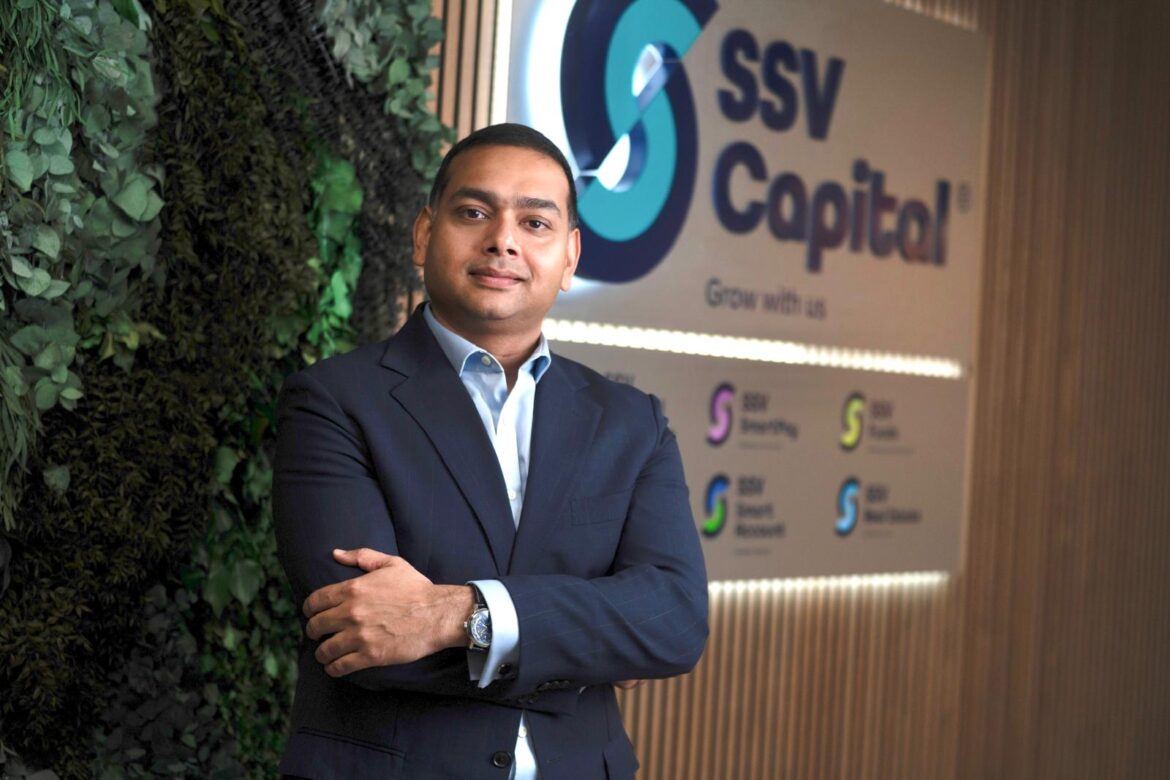
That was a turning point for Ankur Ghosh, founder of SSV Capital. His professional experience in finance taught him the skills needed to evaluate risks, conduct market research, and collaborate with business owners. But one of the toughest lessons he faced had nothing to do with balance sheets or investment strategy. It had to do with people.
Like many growing firms, SSV Capital reached a stage where the team included capable and experienced individuals. On paper, things looked right. Skills were there. Work was being delivered. Yet over time, it became clear that there was a deeper issue, differences in values and long-term thinking that did not fully match the direction the firm wanted to take.
Making a change within a team is one of the most uncomfortable decisions any leader has to make. It is never just about roles or performance. The situation impacts both organizational relationships and employee trust and organizational cultural dynamics. The leader experiences a burden during those times because their decisions create effects that go beyond numerical outcomes.
At first, there was a natural hope that the situation might settle on its own. Many leaders wait, thinking time might smooth out differences. But over time, it became clear that waiting was not helping. If anything, the gap in vision was becoming more visible.
That experience made one thing very clear: having talented people is not enough if everyone is not moving in the same direction.
The decision made by Ankur showed him the fundamental value that culture holds for organizations. Strategic planning holds high importance in finance, fintech, and real estate sectors, which face rapid industry changes. The people who implement that strategic plan hold greater importance than the actual strategic plan itself. Teams that possess identical perspectives experience easier decision-making processes while their team members advance progress at a consistent pace. When that alignment is missing, even strong teams can struggle quietly.
Making the call to change the team was not easy, but it protected the direction of the business. It also taught him something about his own leadership style.
Looking back, he recognised that he had waited longer than he should have. People preferred to postpone their decisions because they believed situations would get better with time. The moment changed his entire way of thinking. He discovered that tough problems never solve themselves. The issues require immediate resolution because they will develop into bigger challenges.
Today, clarity and timing play a bigger role in how decisions are made within SSV Capital. Conversations are more direct. Expectations are clearer. Teams are encouraged to speak openly about concerns rather than letting issues sit quietly in the background.
His financial market experience had already shown him that success requires both discipline and governance as essential elements. Investors build their trust in others through steady performance, which serves as their foundation for relationship development. The experience showed him that organizations need internal alignment and external credibility to achieve operational success.
The actual leadership requirements show that leaders need to face their hardest challenges instead of trying to escape those situations. The situation demands that we handle it with truthful and goal-oriented behavior.
The initial obstacle he faced during his leadership development became his most significant learning experience. The company demonstrated that protecting its cultural values required equal commitment to its numerical growth targets. People must endure temporary pain because it leads to their permanent strength development.
Many leaders talk about vision and strategy. Fewer talk about the moments when decisions feel personal and uncomfortable. But those moments are often the ones that shape a company’s future.
For Ankur Ghosh, the hardest call he made did more than fix a problem. The experience improved his judgment abilities while it built stronger organizational cultural values and showed him that true leadership requires making critical decisions at vital moments.