
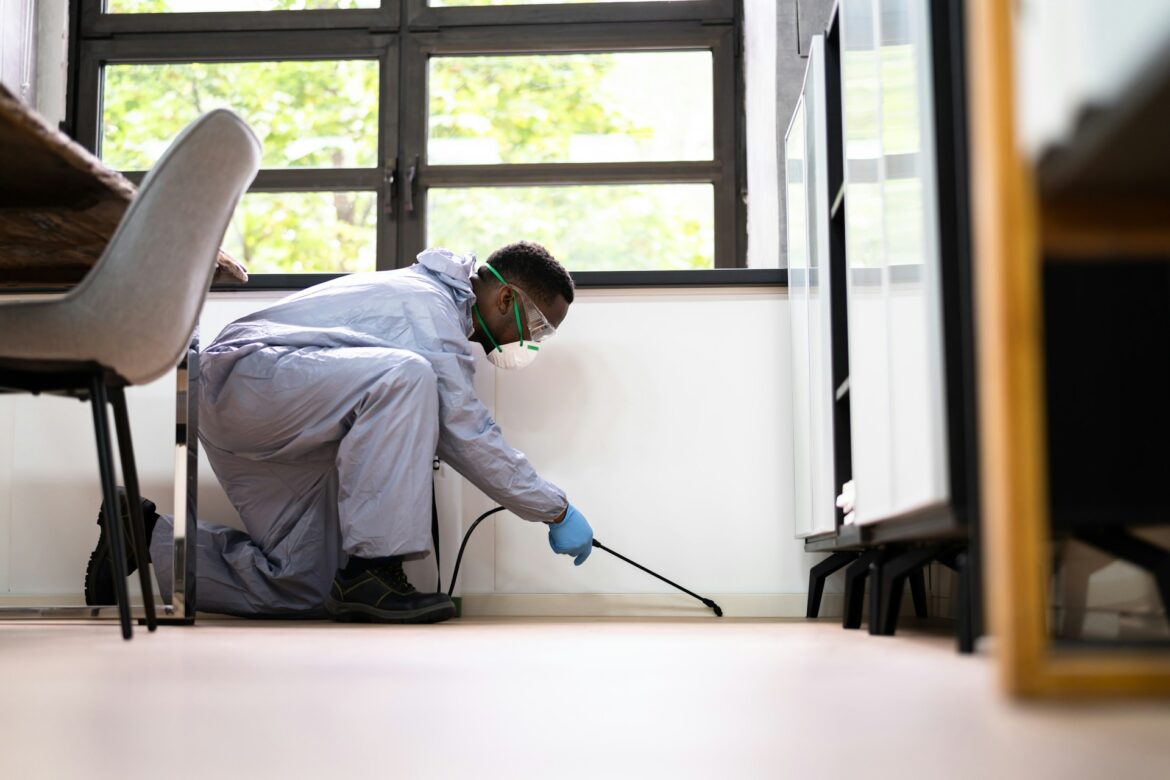
Most people don’t think about pest control until something scurries across the kitchen floor. By then, the problem’s already established — and a lot harder to fix.
In Birmingham, pest control has become less about emergency callouts and more about understanding why infestations happen in the first place. The city’s density, its mix of old and new buildings, busy food districts, and unpredictable weather all combine to create ideal conditions for pests year-round.
Here’s the thing: prevention is almost always cheaper than cure.
Urban Life Is Basically a Buffet for Pests
Cities hand pests everything they need. Food. Shelter. Warmth. Hidden pathways.
Birmingham’s underground drainage systems, shared walls, communal bin stores, and roof spaces give rats, mice, and insects exactly the kind of connected network they thrive in. They move between properties largely undetected — which is how a neighbour’s problem quietly becomes yours.
The most commonly reported species across the city? Rats, mice, wasps, cockroaches, bed bugs, ants, fleas, and pigeons. Each one needs a different response. There’s no single fix that covers all of them.
The Real Price Tag
Sure, pests are unpleasant. But people often underestimate what an infestation actually costs.
Rodents alone can do substantial structural damage to homes. They eat wiring, gnaw insulation, and work through building materials faster than most people imagine. Repair bills can often be considerable. For businesses, the stakes are considerably higher. One sighting of a pest can destroy client confidence, spark compliance concerns and even result in a temporary shutdown.
The full list of potential costs? Emergency treatments, building repairs, lost stock, reputational damage, and legal liability in certain sectors. Compared to routine prevention, none of that looks cheap.
Which Buildings Are Most at Risk
Not every property faces equal risk. A few factors push certain buildings to the front of the queue.
Older structures — and Birmingham has plenty of them — tend to have cracks, gaps, and hidden voids that modern builds simply don’t. Easy access, minimal disturbance. Perfect nesting territory.
Food businesses attract pests almost by design: constant food waste, warm kitchens, busy delivery yards. Vacant properties go the other direction — nobody notices the problem until it’s well established. And in multi-occupancy blocks, apartment buildings, or student accommodation, pests can spread floor to floor with little resistance.
How Pest Management Has Actually Changed
The industry looks quite different to how it did ten years ago.
Treatments still matter, obviously. But professional pest control birmingham operators now tend to start with a thorough inspection — identifying entry points, nesting areas, and root causes before reaching for any product. Treating symptoms without understanding the source just delays the same problem coming back.
Exclusion and proofing have become a major focus. Sealing external gaps, fitting door brushes, repairing damaged vents, protecting drainage systems — these physical measures do more to prevent future infestations than any treatment could on its own.
When intervention is needed, targeted treatments matched to specific species are increasingly preferred over broad-spectrum approaches. Better results, less environmental impact. Both sides win.
Seasonality and Weather
Climate plays a bigger role than most people realise.
A mild winter means more pests survive to spring. Extended warm spells stretch insect breeding seasons. Heavy rain drives rodents out of flooded drainage systems and into nearby buildings — often residential ones. As weather becomes less predictable across the UK, pest management strategies have had to adapt accordingly.
Technology Is Changing the Game
This is where pest control gets genuinely interesting.
Smart sensors, remote monitoring devices, and digital reporting systems are giving businesses real-time visibility over pest activity — catching problems earlier, tracking trends over time, and enabling faster responses. For large commercial sites especially, this kind of data-driven approach shifts the whole model from reactive to proactive.
Worth asking: how long before this kind of monitoring becomes standard across residential properties too?
The Bigger Picture
Pest control birmingham is about more than eliminating whatever’s currently in the walls. It’s about understanding how the urban environment shapes pest behaviour, identifying where your property is vulnerable, and putting measures in place before something forces your hand.
For homeowners, landlords, and businesses alike, the direction of travel is clear — prevention isn’t just better than treatment. Increasingly, it’s the whole point.