Most people don’t think about the bar until something goes wrong. The queue snakes back through the crowd, drinks take forever, and suddenly the whole atmosphere shifts. That’s the hidden power of portable bar hire — get it right and nobody notices; get it wrong and everyone does.
Whether you’re hosting a wedding in a converted barn, a product launch in an industrial space, or a garden party that’s outgrown the kitchen, portable bar hire gives you professional drink service without being tied to venue infrastructure. But there’s more to it than rolling up a cart and popping bottles.
Here’s what actually matters.
What You’re Actually Getting
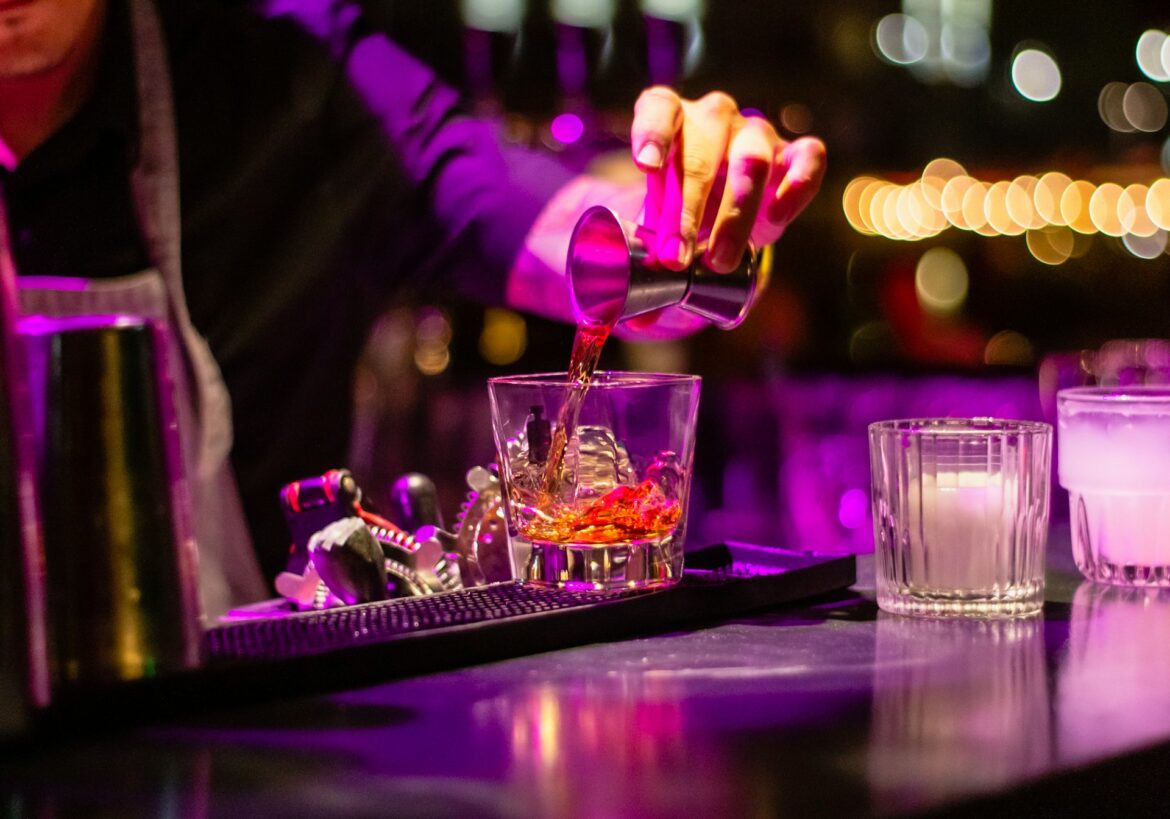
A portable bar setup isn’t just a table with booze on it. A proper package typically includes modular counter units, refrigeration, glassware, trained staff, and a full stock management system — essentially a functioning bar, built from scratch, wherever you need it.
The goal is to replicate what a permanent venue bar does, just without the permanent venue.
The Different Setups
Not all portable bar hire looks the same. Options range from compact self-contained units — ideal for intimate dinners or small corporate breakouts — to full-scale multi-station installations for festivals and exhibitions.
In between, you’ve got modular systems that scale up or down depending on guest numbers. And then there are themed builds: cocktail lounges, gin bars, seasonal concepts. These are the ones that become talking points.
The Stuff That Actually Trips People Up
The venue conditions. This is where plans fall apart.
Think about it: you’ve booked a stunning outdoor space, the guest list is confirmed, and then someone asks whether there’s level ground for the bar structure. Or electricity access. Or whether the delivery van can actually get through the gate.
Site surveys before the event aren’t optional — they’re essential. Outdoor setups also need weather contingencies. Rain at an uncovered bar doesn’t just affect service; it creates safety issues.
Guest numbers matter too, and people consistently underestimate them. Peak demand usually hits right after a ceremony or once dancing starts. A portable bar hire setup that works fine at 6pm can buckle completely at 9pm if staffing ratios weren’t planned for that spike.
Staffing: The Part Nobody Wants to Pay For
Skilled bartenders are the difference between a smooth event and a frustrating one. They work faster, maintain quality across hours of service, handle responsible alcohol service properly, and — this part’s underrated — they’re part of the guest experience.
The ratio of staff to guests shifts depending on drink complexity. A beer-and-wine setup needs fewer hands than a full cocktail menu. Worth building into the budget early rather than cutting corners and regretting it later.
Licensing: Don’t Skip This
In the UK, alcohol service is regulated. Depending on your event type, you may need a temporary event notice or a licensed premises arrangement. Most professional portable bar hire providers will walk you through this — it’s part of what you’re paying for.
Skipping it isn’t a grey area. It’s a legal problem.
What It Costs (And Why the Range Is So Wide)
Pricing depends on: event duration, guest count, drink menu complexity, staffing requirements, and customisation level. A simple cash bar for 50 people looks nothing like an open bar with cocktail stations for 300.
Delivery, setup, branded elements, and specialist equipment like draught systems all add to the total. Ask for a full cost breakdown upfront — the good providers offer this without being asked.
What the Industry Is Doing That’s Actually Interesting
A few shifts worth paying attention to:
Sustainability is becoming standard. Recyclable materials, reduced single-use plastic, locally sourced ingredients — clients are asking for this, and providers are responding.
Non-alcoholic options have gone from afterthought to centrepiece. Sophisticated zero-proof cocktails now sit alongside full drinks menus, and honestly, some of them are more interesting.
Technology is changing service speed. Digital ordering and cashless payment systems mean faster turnaround during peak times — less queuing, fewer errors.
And the hardware itself is improving. Modern modular construction means faster assembly, easier transport, and more consistent results across different venue types. That reliability gap between temporary and permanent bar setups is closing.
How to Choose
Ask yourself five questions:
- How many guests, and when’s the peak?
- What does the venue actually allow — access, power, ground conditions?
- What’s the realistic budget, all-in?
- How complex is the drink menu?
- Does the aesthetic matter, or is function enough?
A private party of 40 needs something completely different from a corporate event for 400. The right portable bar hire solution depends entirely on where those answers land.
The bar is rarely what people remember when an event goes well. But it’s almost always what they remember when it doesn’t. Plan it properly, and it quietly does exactly what it should — keeps people happy, keeps things moving, and stays out of the story.