
Most people never think about what happens after they flush. That’s by design — and it’s exactly why sewage pumping stations deserve more credit than they get.
A sewage pumping station is the unsung workhorse of modern wastewater infrastructure. When gravity can’t do the job — because a neighborhood sits too low, terrain gets tricky, or distances stretch too far — these facilities step in and physically push sewage where it needs to go. Without them, low-lying areas would face stagnant wastewater, contamination risks, and public health crises that most people can’t imagine living near.
So, how does one actually work?
The process is straightforward, even if the engineering behind it isn’t. Wastewater flows in through gravity-fed pipes and collects in an underground chamber called a wet well. Level sensors watch the rising liquid. Once it hits a set threshold, pumps kick on automatically and push everything upward through pressurized pipes — called rising mains — toward a treatment plant or the next section of the sewer network. Then the cycle starts again.
Modern installations don’t rely on a single pump and hope for the best. Redundant pumps, backup power supplies, and alarm systems are standard. Because if one component fails and there’s no backup? Overflow. Fast.
What’s actually inside one of these things?
Several components work together to keep the system running:
- The wet well — that underground collection chamber
- Submersible or dry-mounted pumps (the heavy lifters)
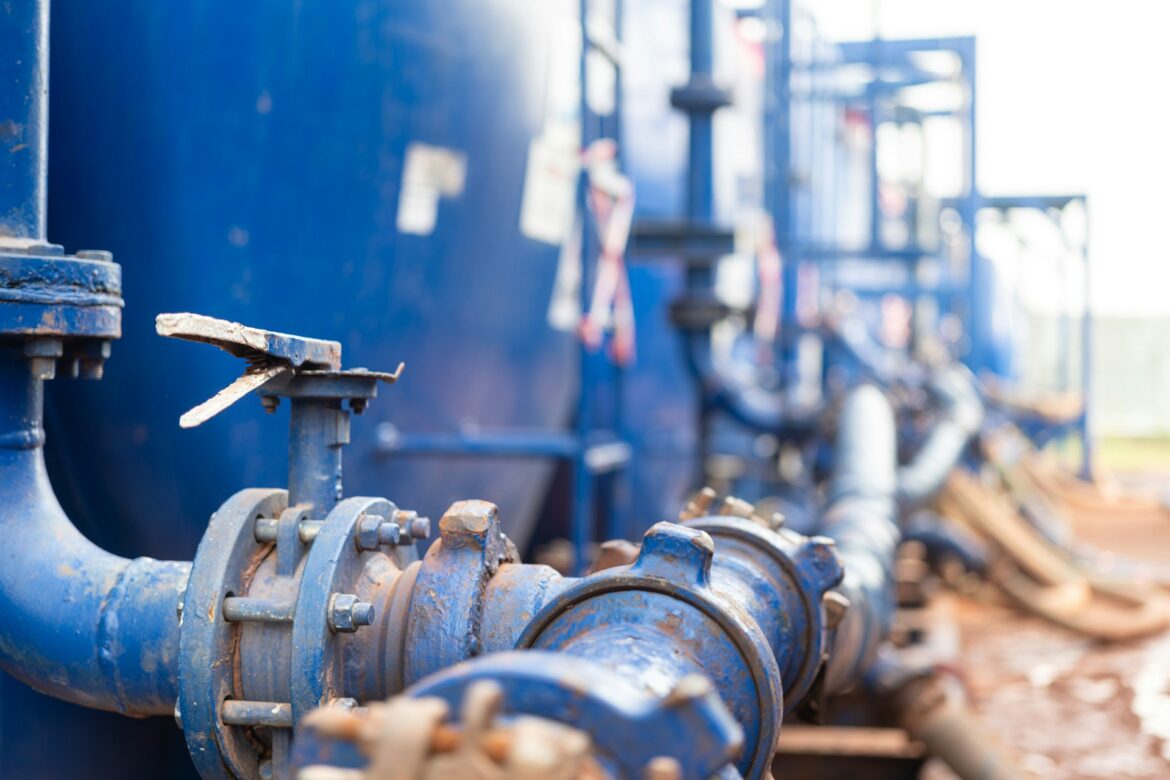
- Pipework and valves that control flow direction
- A control panel automating the whole operation
- Level sensors triggering each pump cycle
- Screening systems catching large solids before they wreck the pumps
Each piece has to be designed for long-term reliability. A single weak link compounds quickly in a system that never really stops running.
Design isn’t simple — there’s a lot to get right
Engineers sizing a sewage pumping station face competing pressures. Overestimate flow capacity and you’ve wasted money on infrastructure nobody needs. Underestimate and you’re dealing with overflow incidents, regulatory violations, and very unhappy residents.
Site conditions matter too. High groundwater? You’re reinforcing structure and waterproofing heavily. Limited space? Compact modular designs are increasingly popular in dense urban environments.
Energy consumption is a real concern — pumping wastewater continuously isn’t cheap. Variable speed drives, high-efficiency pump models, and smart controls are now standard tools for cutting operational costs. And odor control — ventilation systems, carbon filters, biofilters — is non-negotiable anywhere near residential areas.
Where do you actually find these systems?
Everywhere, honestly. Residential developments built below the main sewer line. Industrial facilities processing high wastewater volumes. Coastal towns managing stormwater surges and seawater backflow. Suburban expansions where deep excavation would cost a fortune compared to installing a compact pumping station instead.
Here’s a practical example: picture a new housing development on flat or low ground. Rather than redesigning the entire drainage network or excavating to impossible depths, engineers drop in a pumping station. Problem solved, development proceeds.
The catch? Maintenance.
A well-maintained sewage pumping station can run reliably for decades. A neglected one fails early and expensively. Routine inspection of pumps and valves, wet well cleaning to remove sediment, alarm testing, energy monitoring, preventative part replacement — all of it matters.
Remote monitoring via IoT sensors is changing the game here. Operators can now catch blockages and inefficiencies before they escalate, reducing manual inspection frequency and catching problems that would’ve gone unnoticed until something broke.
The industry’s moving fast
Smart monitoring, energy recovery experiments, quieter operation, reduced emissions — the evolution of sewage pumping station design reflects broader infrastructure trends toward sustainability and efficiency. Modular, space-saving designs are eating into traditional construction methods. Real-time data is replacing reactive maintenance schedules.
It’s genuinely interesting work — messy subject matter aside.
At its core, a sewage pumping station represents one of those invisible systems that only gets noticed when it stops working. Which, if it’s designed and maintained well, it rarely does.