
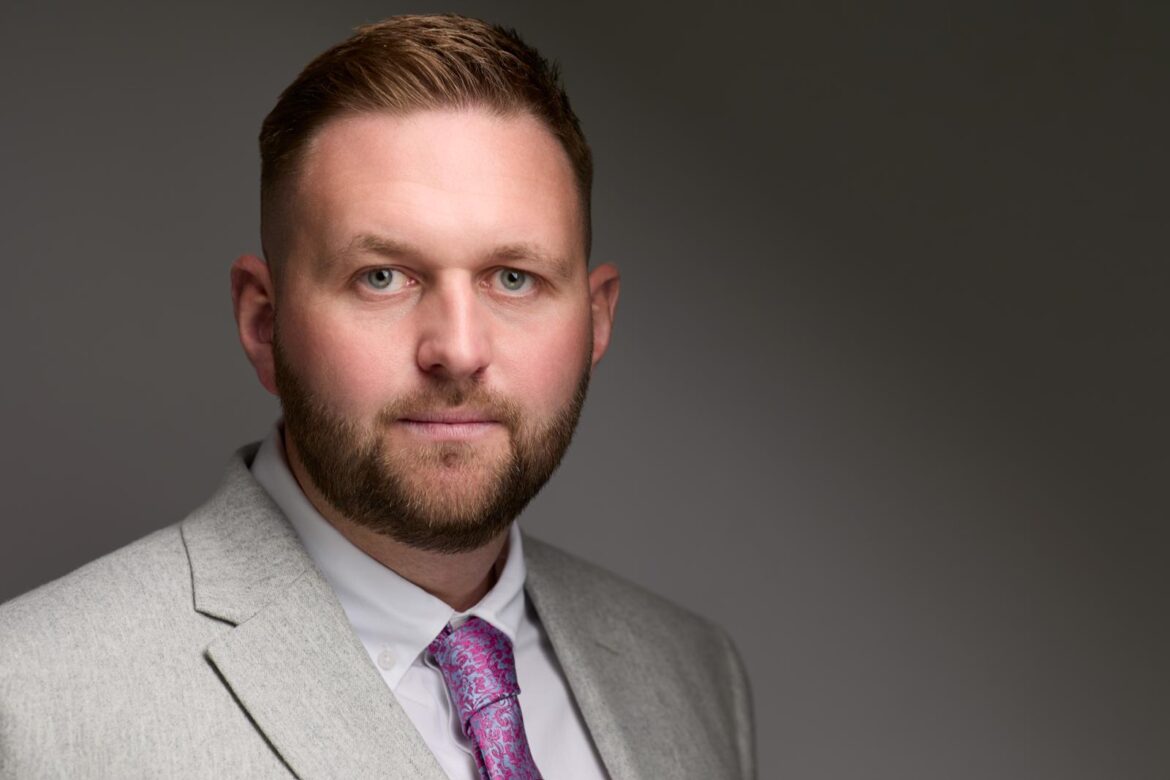
In an era where ambition meets complexity, few figures in the UK property and tech world are as quietly shaping multiple industries as Oliver Burleigh. Based in Bristol, Burleigh represents a new breed of regional entrepreneur—one who builds locally but thinks globally. His unique combination of operational grounding, strategic reach, and cross-sector thinking is transforming the city into a launchpad for bigger ventures that extend far beyond the South West.
Burleigh’s story is not one of overnight success or inherited fortune. Instead, it’s a deliberate and evolving playbook—built on technical expertise, disciplined investment, and a relentless commitment to execution. From electrical contracting to property development, and from operating platforms to holding structures, his trajectory shows how a grounded founder can translate hands-on experience into scalable strategy.
From Electrical Trade to Operating Platform
Every empire starts with a trade. For Burleigh, that trade was electrical engineering. As the founder of ORB Mechanical & Electrical, he began with the tools in hand, wiring systems, designing layouts, and managing on-site teams. This early grounding provided not only technical credibility but also the operational depth that continues to define his ventures today.
ORB Mechanical & Electrical’s own description highlights its scope: the firm “offers a full M&E package… delivering projects on time and to the highest standards.” Unlike many who move too quickly from trade into management, Burleigh maintained direct involvement in design, planning, and project execution. On his company’s site, the “Oliver Burleigh” profile underscores that he remains deeply engaged in ensuring both quality and innovation.
That technical immersion has become a long-term differentiator. While many property and construction investors operate from spreadsheets and boardrooms, Burleigh brings a builder’s eye to board-level decisions. It’s this dual perspective—understanding both how to wire a system and how to structure a deal—that gives his ventures their distinctive resilience.
The Bristol Context: A Strategic Home Base
Bristol is more than just where Burleigh works—it’s the ecosystem that enables his multidisciplinary approach. The city has long been known for its balance of creativity, engineering, and sustainability. With its blend of industrial heritage and innovation culture, Bristol provides fertile ground for ventures that sit at the intersection of design, construction, and technology.
For Burleigh, Bristol’s advantage lies in its talent density and collaborative ethos. The city’s scale allows for real community connectivity—partners know one another, reputations matter, and projects move fast. This proximity between trades, investors, and developers mirrors Burleigh’s own cross-sector mindset. His operations demonstrate that building in Bristol isn’t a limitation—it’s a launch strategy.
Scaling with Structure: The Role of Holdings
Growth for Burleigh has never been about expansion for its own sake. Instead, he’s focused on creating a group structure that channels capital efficiently while retaining control and accountability. The central node in that framework is Burleigh Investment & Holdings Limited, a Bristol-incorporated vehicle through which new ventures can be funded, governed, and scaled.
According to Endole data, the company is active and lists Burleigh among its key controllers. But the corporate structure tells only part of the story. What makes this model effective is how it integrates multiple operational entities under a single strategic architecture. Each venture—whether in contracting, development, or investment—benefits from shared systems, capital discipline, and unified oversight.
This holding structure allows for agility: capital can be redeployed across projects without the inefficiencies of siloed ownership. It also provides transparency for partners and investors, while giving Burleigh the ability to maintain his hands-on influence across each domain.
An Expanding Ecosystem: From Projects to Platforms
What distinguishes Burleigh’s approach from traditional property entrepreneurs is his growing focus on platform thinking. ORB and its sister entities don’t just deliver projects; they generate data, relationships, and systems that feed into a wider operating network. Each project becomes a node in an expanding ecosystem of design, execution, and investment.
This philosophy is evident in how ORB approaches technology. By adopting digital project management tools, modular design principles, and sustainability metrics, the company has evolved from a trade contractor into a modern operating platform. These operational systems not only improve performance but also create a repeatable infrastructure for future ventures.
As Burleigh himself has suggested in interviews and public notes, the future of building is interconnected—where construction meets data, and where craftsmanship meets scalability. His model anticipates that shift, positioning Bristol as both a workshop and a laboratory.
Leadership Through Integration
At the personal level, Burleigh’s leadership style reflects his belief in integration over delegation. He’s known to work closely with engineers, project managers, and financial partners alike, blending technical fluency with boardroom perspective. This integrated leadership ensures that the business’s strategic goals never drift from its operational realities.
His management philosophy prioritizes clarity and accountability. Each team member, from apprentice to project lead, understands not just what to do—but why. This sense of shared mission has helped ORB cultivate a reputation for reliability and precision, qualities that underpin long-term partnerships in a sector often defined by transient contracts.
Cross-Sector Thinking: Beyond Property and M&E
Although rooted in mechanical and electrical contracting, Burleigh’s ambitions extend into real estate investment, infrastructure, and technology platforms. The transition from execution to ownership is a natural one, but Burleigh’s version of it carries a deeper logic: rather than chasing diversification for prestige, he seeks convergence—where expertise from one domain improves performance in another.
For instance, the same operational insights that make ORB efficient in construction also inform how his investment arms evaluate property portfolios. Similarly, the governance frameworks developed within his holding company support emerging ventures that may span energy efficiency, smart building systems, or digital operations.
This kind of cross-sector leverage—applying one set of capabilities across multiple industries—is increasingly seen as the hallmark of next-generation founders. Burleigh’s model shows how a local business can evolve into a diversified, technology-informed group without losing its sense of craftsmanship.
The Long Game: Building Legacy Through Design
While much of the business world celebrates speed, Burleigh’s trajectory reflects patience and precision. His investments in people, processes, and structure reveal a long-term orientation aimed at durability rather than spectacle. By building strong foundations—literally and figuratively—he’s positioning his ventures to thrive through cycles of market change.
In many ways, his philosophy mirrors Bristol’s own rhythm: innovative but grounded, ambitious yet authentic. Whether through ORB’s technical delivery or Burleigh Holdings’ strategic design, the underlying ethos remains the same—build with intention, execute with excellence, and scale with integrity.
Conclusion: A Blueprint for Modern Entrepreneurship
Oliver Burleigh’s rise illustrates the evolution of the modern entrepreneur: not a tech founder in a hoodie, nor a traditional builder with a van, but a hybrid of both. He’s turning Bristol into a hub where practical expertise meets capital efficiency and strategic design. His companies don’t just build structures—they build systems that endure.
As his ventures continue to mature, what stands out is the coherence of his approach. Every layer—from electrical work to holding architecture—connects back to a central principle: the alignment of vision and execution. In an economy increasingly defined by fragmentation, Burleigh’s empire is being built on integration. And from his base in Bristol, that integration might just become the blueprint for how local founders scale into national leaders.


